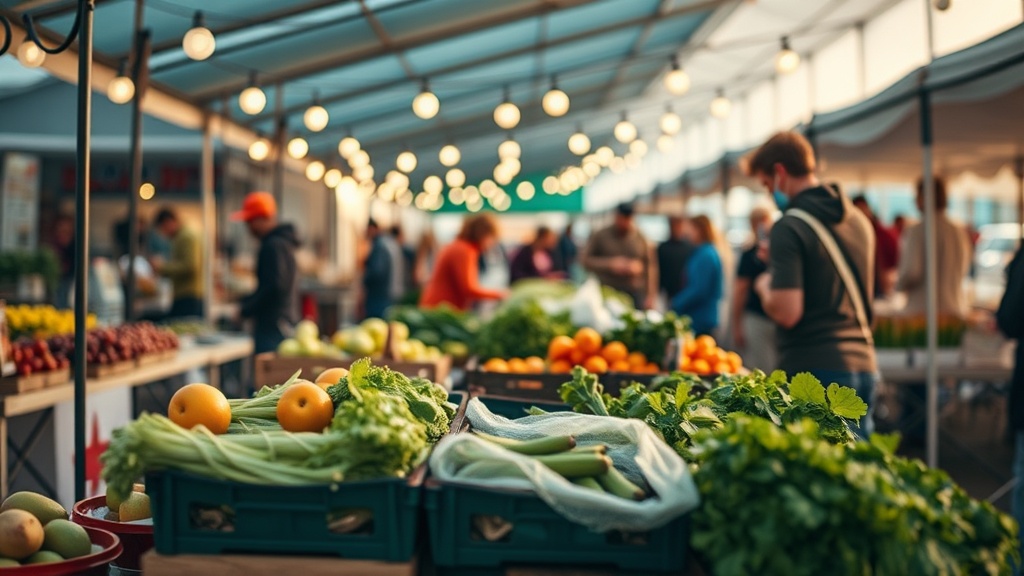
How to Build Real Connections at the Camrose Farmers Market

Why Shopping Local Requires More Than Just Showing Up
There's a persistent myth that supporting local businesses means simply walking through the doors and handing over money. That's not how community works—and it's definitely not how you get the most from the Camrose Farmers Market. What separates a transactional visit from one that actually enriches our community is intention. The market on 48 Avenue isn't just a place to grab vegetables; it's where our regional farmers, artisans, and food producers gather to share what they've grown and made with their own hands. When you approach it with curiosity rather than convenience as your primary goal, everything changes.
I've watched too many folks rush through the pavilion on Saturday mornings, grab a few tomatoes and a loaf of bread, and miss the real value sitting right in front of them. The growers at these tables know things about our local soil, our unpredictable Alberta weather patterns, and the specific challenges of farming within an hour of Camrose that no grocery store produce manager could tell you. They're not just selling you honey or carrots—they're offering you a direct line to understanding where your food comes from and who's producing it in our corner of central Alberta.
How Do I Start Conversations with Local Growers?
Walking up to a stranger's table can feel awkward—I'll admit that. But here's the thing: these vendors chose to be here. They want to talk to you. Start simple. Ask about what's in season right now in the Camrose area. Inquire whether the frost we had last week affected their early crops. Ask how long they've been farming near our community.
Last Saturday, I spent twenty minutes talking with the folks from Grayson's Greenhouse about why their tomato starts were particular varieties suited to our shorter growing season. That's information I can actually use in my own backyard garden. The vendor explained that Camrose sits at a slightly higher elevation than Edmonton, which means our last frost date typically runs later—something I hadn't fully considered when planning my planting calendar.
Don't feel like you need to buy something from every stall to justify a conversation. Most vendors would rather have ten people ask questions and buy nothing than have everyone walk past silently. Start with "What's fresh this week?" or "Did you grow this near Camrose?" These simple questions open doors—sometimes literally—to farm visits, u-pick opportunities, or special orders you won't find on the table.
Remember Names and Stories
Here's a practice that transforms your market experience: take mental notes about who grows what and where. The family selling pork sausages might raise their hogs just east of town near Round Hill. The woman with the incredible sourdough might bake in a commercial kitchen she rents by the hour in downtown Camrose. When you remember these details and ask about them on subsequent visits—"How did that litter of piglets do?" or "Are you still baking at the same spot?"—you've moved from customer to community member.
This isn't about being nosy. It's about recognizing that our local food economy depends on relationships. When you know that the apples you're buying come from a small orchard near Hay Lakes that nearly lost its crop to hail last summer, you understand the real value of what you're purchasing. You also know who to ask when you want something specific—maybe a particular variety of apple for canning or a cut of meat the vendor doesn't typically bring to market.
What Should I Know About Seasonal Availability in Camrose?
One of the biggest disconnects I see at our market is unrealistic expectations about what grows when in our specific climate. Camrose isn't the Okanagan. We're not even the same growing zone as Edmonton, despite being relatively close. Our farmers deal with clay-heavy soil, unpredictable spring frosts, and growing seasons that can swing wildly depending on the year.
In early June, you're looking at greenhouse tomatoes, maybe some early greens, definitely rhubarb, and root vegetables stored from last fall. Mid-July brings the first wave of field tomatoes, early potatoes, and summer squash. By August, the market explodes—corn, peppers, cucumbers, and the beginning of the apple harvest from orchards within driving distance of Camrose.
The vendors at our market aren't trying to limit your options when they don't have tomatoes in May. They're being honest about what our region produces and when. That honesty is worth supporting. When you shop in sync with our actual growing seasons, you get better food and you support farming practices that make sense for our environment.
Ask vendors about their preservation tips too. The folks growing food here know how to put up extras for winter because they do it themselves. I've learned more about root cellaring from Camrose area farmers than from any book—like why certain apple varieties store better than others, or how to keep carrots crisp in our dry winter air.
How Can I Make the Market a Regular Part of My Routine?
Consistency builds relationships. If you treat the market as a special occasion destination, you'll always be starting from scratch with vendors. But if you make it part of your weekly rhythm—Saturday mornings, rain or shine, from May through October—you become a familiar face. That familiarity unlocks better service, occasional deals on bulk purchases, and first dibs on limited quantities.
Here's what works for me: I bring cash (many vendors prefer it, and it speeds up transactions), I bring my own bags (our market encourages this, and vendors appreciate customers who don't need plastic), and I arrive with a loose plan but not a rigid list. If the spinach looks amazing this week, I adjust my meal plans to feature spinach. If the first corn has just come in, that's dinner.
I also make a point to walk the entire market before buying anything. This lets me compare quality and prices, but more importantly, it lets me see who's new and what's different this week. The Camrose Farmers Market rotates vendors based on seasonality and availability, so the mix changes throughout the summer. That variety is part of what keeps it interesting.
Supporting the Ecosystem Beyond Produce
Our market isn't just vegetables. The bakers, meat producers, honey sellers, and craftspeople are all part of the same local economic web. When you buy a loaf of bread from someone baking in Camrose, you're keeping money circulating in our community. When you purchase preserves made from locally grown fruit, you're supporting two local businesses—the preserver and the fruit grower they source from.
I make a point to try something new every few weeks. Maybe it's a cut of meat I've never cooked, or a vegetable variety I'm unfamiliar with. The vendors usually have cooking suggestions, and sometimes they'll share family recipes. That's not happening at the supermarket on 48 Street.
What About the Off-Season?
The Saturday market runs May through October, but that doesn't mean your connection to local food has to end. Many Camrose area farmers offer winter CSA programs, on-farm stores, or direct ordering during the colder months. The relationships you build during market season become your pathway to year-round local food access.
Ask vendors in September about their winter plans. Some will have root cellars full of storage crops. Others might offer frozen meat or preserved goods. A few maintain small greenhouses for winter greens. If you've been a regular customer, they'll often reach out to you directly when they have something special available.
There's also the Camrose Christmas Market in November, which many of the same vendors attend. It's a good opportunity to reconnect, stock up on gifts, and maintain those relationships you've built through the growing season.
"The best customers aren't the ones who spend the most—they're the ones who come back and remember what we talked about last time." — Vendor at Camrose Farmers Market
A Few Practical Tips for Market Success
Arrive early for the best selection, especially for popular items like sweet corn or ripe tomatoes. Bring small bills and change—while more vendors are taking cards now, cash transactions are still smoother and faster. Don't squeeze the produce; these are small-scale growers who can't afford to have their inventory bruised by curious hands. And if you're buying in quantity for canning or freezing, ask about bulk pricing. Many vendors will cut you a deal on a flat of tomatoes or a bag of beets if you ask politely.
Finally, spread the word. Our market thrives when our community shows up—not just physically, but with genuine engagement. Tell your neighbors about the vendor who grows amazing garlic. Post about your market finds on local social media groups. The more we talk about what's available locally, the stronger our local food system becomes.
The Camrose Farmers Market runs Saturdays from 9 AM to 1 PM at the pavilion on 48 Avenue, typically from mid-May through early October. For current vendor lists and any schedule changes, check the City of Camrose official market page or the Alberta Farmers' Market Association website for broader provincial context on local market standards.