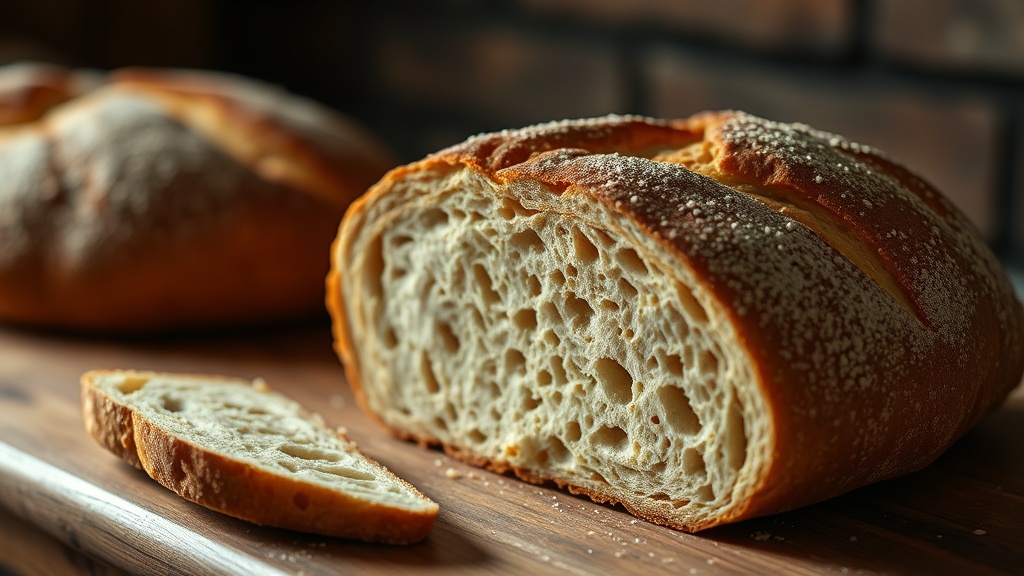
A Simple Way to Spot Fresh Local Bread

Quick Tip
Always check for a crisp crust and a distinct, fermented aroma to ensure true freshness.
Imagine standing in a local bakery line, staring at a shelf of loaves, and realizing you have no idea which one was actually baked this morning. You want that perfect, crusty sourdough or a soft sandwich loaf, but the labels are vague. This post is about the simple, sensory ways to identify truly fresh bread so you don't end up with a stale loaf by the time you get home to Camrose.
How Can You Tell if Bread is Fresh?
The easiest way to identify fresh bread is through the "squeeze test" and a quick check of the aroma. Fresh bread should have a slight springiness when pressed; if it stays indented or feels hard, it's likely older. If you're buying sourdough, look for a crust that isn't overly brittle or dusty—that's a sign of moisture loss.
Don't just rely on the "baked on" date, either. In many small-batch bakeries around Alberta, the actual bake time is much more important than a stamped-on expiration date. (Pro tip: if the crust looks dull rather than slightly glossy or textured, it's been sitting out too long.)
The Sensory Checklist
Use your senses to vet your loaf before you head to the register. Here is what to look for:
- The Sound: Tap the bottom of a loaf of crusty bread; it should sound hollow.
- The Scent: Fresh bread should smell yeast-forward or slightly sweet, not like vinegar or stale flour.
- The Texture: A soft loaf (like a brioche or milk bread) should feel pillowy and bounce back immediately when touched.
What Are the Signs of Stale Bread?
Stale bread is characterized by a loss of moisture, resulting in a texture that is either overly hard or unpleasantly rubbery. If you notice a grainy or "crumbly" texture inside the loaf, the starches have likely undergone retrogradation—a natural process where moisture leaves the starch-protein structure described by scientists as staling.
Watch out for these red flags:
- A heavy, dense feeling when the bread is lifted.
- A distinct lack of aroma (if it doesn't smell like anything, it's probably old).
- Visible dryness on the crust or a "leathery" feel.
If you are shopping for high-quality ingredients, you might also enjoy selecting seasonal produce at the Camrose Farmers Market to pair with your fresh loaf. It makes a massive difference in the quality of your weekly meals.
| Feature | Fresh Bread | Stale Bread |
|---|---|---|
| Crust | Crisp or soft/pliable | Hard, brittle, or leathery |
| Aroma | Strong, yeasty, or sweet | Minimal to no scent |
| Texture | Springy and moist | Dry, crumbly, or tough |
Buying local means you're often getting products with fewer preservatives. While this is great for your health, it also means the shelf life is shorter—so buy only what you'll eat in the next two days.